Homeowner Guide · First-Time Homeowners
What to Ask at Your Home Inspection: A First-Timer's Guide
Serve First Realty · November 4, 2026
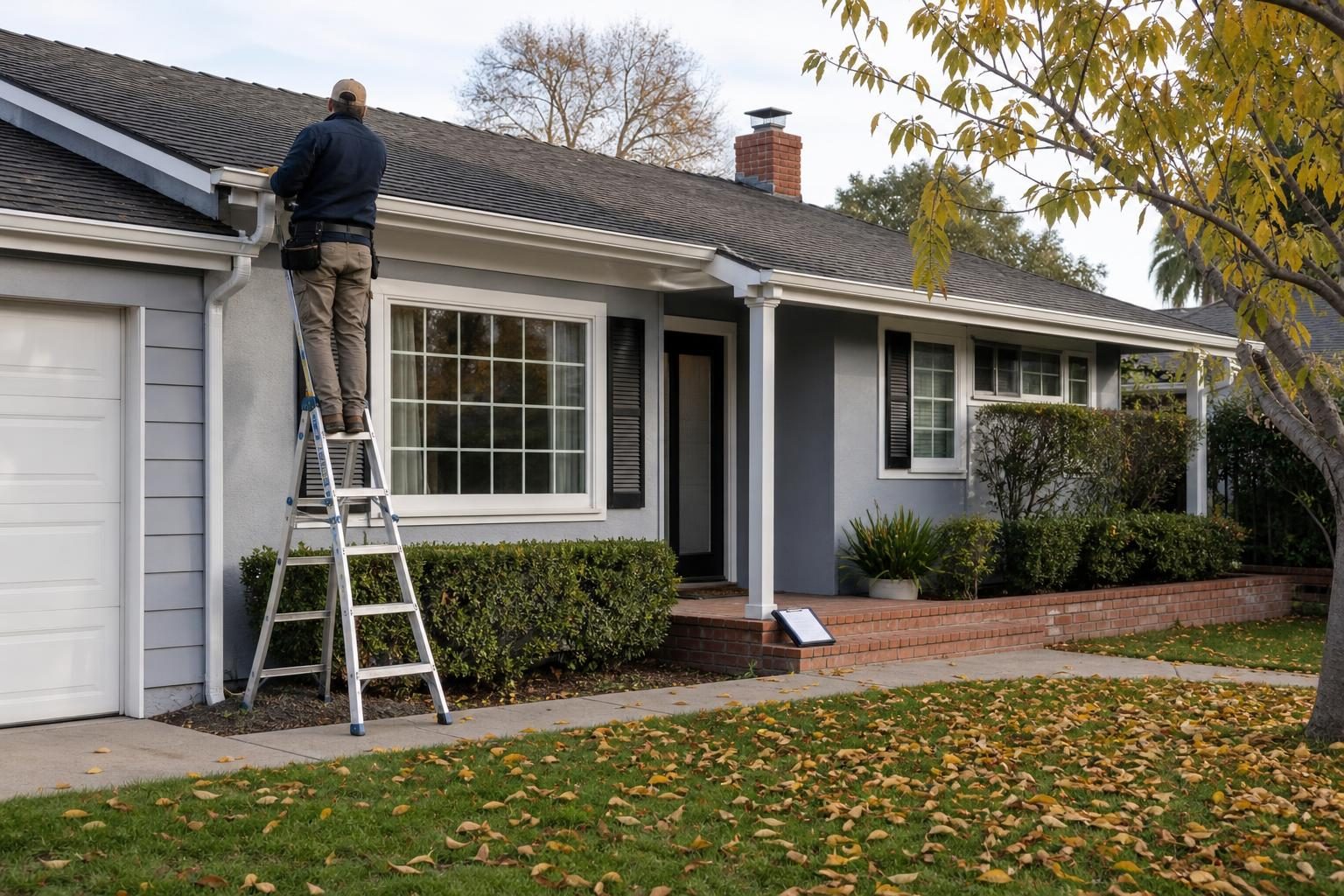
01. Before the Inspector Arrives
Most first-time buyers show up to the inspection, shake the inspector's hand, and then stand back while the work happens. Don't. This is your chance to see the house with someone who knows what to look for, and you learn more by walking through it with them than by reading the report later.
Bring a notebook or your phone. Wear shoes you can climb a ladder in or crawl into an attic with, if the inspector lets you. And plan for two to three hours. It's worth clearing your schedule.
02. Questions About the Roof, Gutters, and Exterior
November is a good month to think about this, since the leaves are down and the first real storms are usually close behind. Ask your inspector:
- How many years of life are left on this roof, roughly?
- Are the gutters draining away from the foundation, or pooling near it?
- Is there any sign of water getting into the attic or along the roofline?
- What's the grading like around the house? Does water run toward the house or away from it?
Drainage problems are some of the most common issues inspectors find, and they're also some of the easiest to miss if you're not asking directly. A house that looks fine on a dry day can have a different story after a heavy rain.
03. Questions About Heating, Plumbing, and Electrical
These systems are expensive to replace, so it's worth understanding their condition before you own them.
For heating, ask:
- How old is the furnace or boiler, and when was it last serviced?
- Did it turn on and run normally during the inspection?
For plumbing, ask:
- What are the pipes made of, and is there any mix of old and new materials?
- Is there any sign of past leaks, even if they've been repaired?
- How's the water pressure throughout the house?
For electrical, ask:
- Is the panel modern, or does it look original to the house?
- Are there any outlets or circuits that seem outdated or unsafe?
You don't need to understand the technical details. You just need to know enough to ask a contractor for a second opinion if something sounds concerning.
04. Questions About Moisture and Safety
This is the category first-time buyers ask about the least, and it's often the most important.
- Is there any sign of past water damage in the basement or crawl space?
- Does the house have a radon test scheduled, and if not, should it?
- Are there working smoke and carbon monoxide detectors in the right places?
- Any sign of past pest activity, especially termites or carpenter ants?
If the inspector mentions mold, moisture staining, or a musty smell, ask directly what they think is causing it. Sometimes it's a simple fix, like a dryer vent that isn't sealed. Sometimes it points to something larger, like a foundation crack.
05. After the Report Comes Back
The written report will have more detail than you absorbed in person, and that's normal. Read it slowly, and don't worry if it looks long. Most homes, even well-kept ones, come back with a page or two of minor notes.
What matters is sorting the list into three piles:
- Things that are cosmetic and can wait
- Things that need attention soon but aren't urgent
- Things that are safety issues or could get expensive if ignored
If anything falls into that third pile, it's worth getting an estimate from a contractor before you decide how to move forward. Inspection findings can also affect your contract, such as requests for repairs or credits, and those details vary by state and by the terms of your purchase agreement. For questions about how a finding might change your contract, your closing, or anything tied to the title of the property, it's best to talk with a real estate attorney or your agent rather than guess.
An inspection isn't meant to scare you off a house. It's meant to make sure you know what you're getting, so there are no surprises waiting for you after the first cold snap. If you're heading into an inspection soon and want company thinking through the report, feel free to reach out. We're happy to help.
This guide is general information, not legal, tax, or financial advice. Every situation is different, so talk with a licensed professional about yours.
Have a question about your home?
Ask us. Call (916) 436-3776 or send a message through our Contact page.